
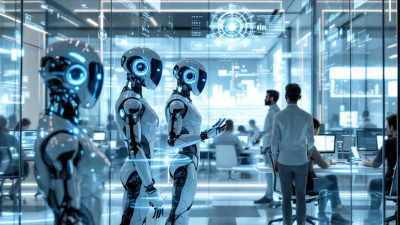
AI Agents and the Future of Work: Navigating Job Transformation in 2025
Introduction: The Evolving Workplace
——————————————————————————–
The modern workplace is undergoing a rapid transformation fueled by the integration of artificial intelligence (AI) agents. As businesses seek efficiency and innovation, traditional job roles are evolving to meet new technological demands. With AI emerging as a pivotal factor, many companies are experiencing disruptive shifts that not only streamline routine processes but also catalyze new areas of growth. This blog post delves into how AI agents are reshaping the future of work, the creation of new roles, the imperative for upskilling, and effective strategies for businesses to ensure a seamless transition for their workforce.
The Rise of AI Agents: Overview and Impact
——————————————————————————–
The adoption of AI agents in the workplace is not just a trend, but a strategic movement that is redefining operational paradigms. Recent studies indicate that a staggering 91.5% of roles in the information and communication technology sector are expected to undergo high or moderate transformation as a result of AI advancements (Upskilling The Global Workforce For AI). This shift underscores the immense potential of AI to automate repetitive tasks while simultaneously uncovering opportunities for innovation in strategy, leadership, and technical expertise. AI agents are rapidly becoming the linchpin in driving productivity, fostering innovation, and ensuring that both employees and organizations remain competitive in a disruptive landscape.
How AI Agents are Automating Tasks
——————————————————————————–
Automation stands out as one of the most visible benefits of AI integration in the workplace. By utilizing sophisticated algorithms and data analytics, AI agents are able to perform routine operations that traditionally required human intervention. This results in substantial time savings and improved accuracy in tasks like data entry, scheduling, and resource allocation. For instance, businesses have reported workforce productivity increases of up to 40% with the strategic implementation of AI tools (Leverage AI for Workforce Optimization). These automated capabilities not only reduce the margin for error but also liberate employees to focus on higher-value tasks that demand creative problem-solving and strategic thought—a key move towards a more engaged and innovative workplace.
Emergence of New Roles and Opportunities
——————————————————————————–
While AI significantly transforms existing job roles, it also catalyzes the emergence of entirely new career paths. Roles such as AI Strategy Consultants, Automation Architects, AI Trainers, and Ethics and Compliance Analysts are beginning to take shape in today’s digital work environment (The Future of AI and Automation in the Workforce | 2025 Guide – Eastgate Software). These positions require a blend of technical expertise, strategic insight, and ethical considerations. As organizations integrate AI tools, there is a growing demand for professionals who can bridge the gap between advanced analytics and practical business applications. This divergence from traditional roles reflects a paradigm where human judgment and creative problem-solving remain critical complements to the efficiency of automated systems.
The Necessity for Upskilling: Preparing the Workforce
——————————————————————————–
In a rapidly evolving job landscape, the ability to upskill and reskill has become not just beneficial, but imperative. The World Economic Forum’s Future of Jobs Report highlights that 77% of employers are planning to implement robust reskilling initiatives by 2030 (4. Workforce Strategies – The Future of Jobs Report 2025). AI-driven platforms are now capable of analyzing individual skill sets, identifying gaps, and recommending bespoke training programs. This tailored approach not only empowers employees to remain relevant in their roles but also equips businesses with the agility needed to handle future challenges. Upskilling initiatives foster a culture of continuous learning, ensuring that employees are well-prepared to transition into new digital roles while maintaining high productivity levels.
Strategies for Businesses to Adapt
——————————————————————————–
Successful adaptation in the face of AI disruption requires a well-structured and holistic strategy. Companies need to prioritize the identification of high-impact skills and tasks that can benefit most from automation. Measuring the return on investment for AI initiatives, promoting a culture of experimentation, and involving employees in strategic planning are all critical factors in this adaptation process (Leverage AI for Workforce Optimization). Additionally, redefining workforce planning to incorporate both human and digital workers can lead to more streamlined operations and innovative business models. By investing in scalable upskilling programs and fostering cross-departmental collaboration, organizations can ensure a balanced integration of technology that benefits both the bottom line and employee satisfaction.
Case Studies: Successful Adaptations in Various Industries
——————————————————————————–
Real-world examples serve as a robust testament to the successful integration of AI across diverse sectors. Industries such as manufacturing, healthcare, finance, and retail have all leveraged AI agents to optimize processes and create new roles. For instance, several manufacturing firms have integrated AI to monitor production lines in real-time, resulting in reduced downtime and enhanced quality control. Similarly, leading financial institutions have utilized AI-driven analytics to predict market trends and tailor customer experiences. These case studies highlight how tailored upskilling initiatives, combined with effective AI adoption strategies, have led to significant improvements in efficiency and employee performance (Artificial Intelligence in the Workforce: Strategies to Address in 2025). By learning from these successes, other industries can formulate better practices that balance technological innovation with human expertise.
Overcoming Challenges: Ensuring Employee Well-being
——————————————————————————–
The journey towards an AI-enhanced workplace can also bring challenges, particularly concerning employee well-being and job security. The rapid pace of automation can lead to anxiety and resistance among employees worried about redundancy. It is critical for businesses to address these concerns by fostering an inclusive environment that values ongoing education and transparent communication. Companies must ensure that the transition to an AI-driven ecosystem is balanced with initiatives that support mental health and work-life balance. Implementing comprehensive reskilling programs and creating opportunities for employee input can help mitigate the fear of change, creating a more resilient and adaptable workforce (Upskilling The Global Workforce For AI). Open dialogue and proactive management strategies are essential to ensure that the human element remains at the heart of technological advancement.
The Future Outlook: Long-term Benefits and Risks
——————————————————————————–
Looking ahead, the future of work in an AI-dominated landscape presents both exciting opportunities and potential risks. On one hand, AI agents promise long-term benefits such as enhanced productivity, greater innovation, and more dynamic work environments. They enable hybrid work models that combine the best of both remote and in-office setups while streamlining organizational processes. On the other hand, reliance on AI raises concerns about data security, ethical dilemmas, and the digital divide between highly skilled workers and those left behind. To harness the full potential of AI while mitigating risks, businesses must strike a balance between technological progress and ethical responsibility (The Future of Work: AI, Automation, and Human Skills). This requires continuous dialogue among policymakers, business leaders, and technologists to develop robust frameworks that support innovation while safeguarding human interests.
Conclusion: Embracing the Transformation
——————————————————————————–
The transformative impact of AI agents on the workforce is undeniable, ushering in a future where automation coexists with human creativity and strategic reasoning. The evolving job landscape challenges conventional business models, compelling organizations to adopt agile strategies that include comprehensive upskilling plans and the thoughtful integration of new roles. Embracing this transformation is not merely about adopting new technology—it is about reimagining the workplace as a dynamic ecosystem where digital innovation and human expertise reinforce each other. By proactively addressing the challenges and maximizing the benefits, companies can not only survive the AI revolution but thrive amid the changes. As we approach 2025 and beyond, the workforce that remains adaptable, continuously learning, and ethically grounded will be best positioned to lead in an AI-powered future.