
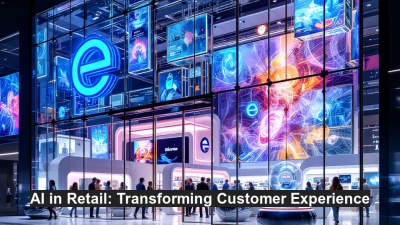
AI Agents in Retail: Revolutionizing Customer Experience and Operational Efficiency
Introduction: The Rise of AI Agents in Retail
Over the past decade, artificial intelligence has moved from an emerging technology to a cornerstone of modern retail strategies. As retailers face the dual pressures of meeting increasingly personalized customer demands and controlling operational costs, AI agents have emerged as a powerful solution. These agents harness machine learning, data analytics, and real-time decision-making to transform both customer-facing interactions and backstage operations. Today, from personalized recommendations to smart inventory forecasting, AI is not only enhancing customer satisfaction but also driving unprecedented levels of operational efficiency. With global investments in AI growing by the day, industry leaders are embracing these technologies to gain a competitive edge in an ever-evolving marketplace.
Personalizing Customer Interactions with AI
One of the most celebrated benefits of AI in retail is its ability to personalize the customer journey. By analyzing vast amounts of customer data—ranging from purchase history to browsing behavior—AI agents can predict customer preferences and deliver tailored experiences. Retailers employing AI-powered recommendation engines have reported conversion rates up to 2.8 times higher than traditional methods. This notable improvement underscores the effectiveness of personalized marketing campaigns in driving higher engagement and sales.
For example, online shopping platforms incorporate AI to suggest complementary products based on past purchases, thereby seamlessly enhancing the overall shopping experience. Moreover, these AI agents are capable of adapting in real-time, ensuring that the content shown to each customer is always relevant and timely. As reported by industry sources, campaigns that leverage AI-driven personalization witness up to a 30% higher click-through rate, demonstrating how data-driven insights can redefine customer interactions and boost satisfaction levels. For more detailed insights, check out this source on AI in consumer retail and this global retail industry research.
Optimizing Inventory Management through AI Integration
Inventory management has always been a critical component of retail success, yet many traditional methods are plagued by inaccuracy and inefficiency. AI offers a robust solution by refining demand forecasting and streamlining supply chain processes. Through advanced algorithms, AI agents can analyze historical data and real-time trends to predict demand more accurately, reducing forecasting errors significantly. In fact, retailers have seen accuracy improvements of up to 30% by integrating AI technologies into their inventory systems.
Beyond just forecasting, AI contributes to optimal stock management by preventing both overstock and stockouts, thereby reducing waste and ensuring that the right products are available at the right time. Research indicates that implementing AI can reduce supply chain forecasting errors by up to 50%, which translates into more efficient operations and considerable cost savings. Exploring more detailed statistics on this topic can be done through this insightful market data report and the analysis provided by ZipDo Education Reports.
Streamlining Retail Operations: A Look at AI Tools
Efficiency in retail goes beyond customer interactions and inventory management. Numerous AI tools are designed to streamline daily operations from warehouse logistics to supply chain management. Modern AI systems utilize warehouse robots that automate picking and packing processes. These systems have been shown to increase efficiency by as much as 50%, allowing retailers to fulfill orders faster and with fewer errors.
In parallel, AI-enabled tools optimize logistics and reduce operational costs. By analyzing data from various sources—such as shipping routes, weather patterns, and traffic conditions—AI systems can adjust delivery schedules in real-time, minimizing delays and cutting costs by approximately 15%. The integration of such intelligent systems not only ensures a smoother operation but also contributes to a more sustainable and resilient supply chain. To learn more about how AI is revolutionizing retail operations, explore findings from this detailed study on AI in retail.
Case Study: Zara’s AI-Driven Retail Strategy
Zara, renowned for its fast-fashion model, provides a compelling case study in the effective integration of AI into retail. The brand leverages AI-powered systems to monitor sales trends and manage inventory in real-time. By adjusting stock levels dynamically based on real-time purchasing behavior, Zara minimizes unsold inventory and waste while meeting customer demand swiftly.
Zara’s AI infrastructure is engineered for rapid responsiveness. Its ability to quickly adapt to new trends and consumer behavior means that collections are updated frequently, ensuring that customers always find fresh and relevant products. This agile approach reduces reliance on heavy marketing spend while increasing profitability through efficiency and reduced waste. The success of Zara’s model highlights how AI can be a game-changer in retail strategy—a sentiment echoed by insights from this AI trends report and detailed analysis in this FT article.
The Future of AI in Retail: Trends to Watch
The future of AI in retail is both promising and transformative. With projections forecasting that the global AI in retail market will reach $24.87 billion by 2027, there is clear evidence of an industry-wide shift toward increased AI adoption. Retailers are not only investing in AI for short-term gains but are also positioning themselves to benefit from long-term advancements that promise even greater personalization, operational efficiency, and competitive advantage.
Emerging trends include the use of AI for augmented reality shopping experiences, further advancements in robotics for distribution centers, and the integration of AI with IoT devices for hyper-connected retail environments. Additionally, 70% of retail companies have stated plans to increase their AI investment within the next year, signaling a robust commitment to harnessing these technologies. As these technologies mature, expect to see even more seamless integration between physical and digital retail footprints. For further details on these evolving trends, consider reviewing the insights provided by this market data report on AI in consumer retail.
Conclusion: Embracing AI for a Competitive Edge in Retail
In conclusion, AI agents have undoubtedly revolutionized the retail landscape. Their ability to personalize customer experiences, optimize inventory management, and streamline daily operations is reshaping the industry. As showcased by leading retailers such as Zara, integrating AI not only enhances operational agility but also provides a significant competitive advantage. In today’s data-driven world, embracing AI is not just a technological upgrade—it is an essential strategy for sustained growth and efficiency.
The journey toward full AI adoption is continuously evolving, but the benefits are clear: reduced operational costs, improved customer engagement, and a more resilient supply chain. For retailers seeking to secure a leading position in the market, adopting AI-driven solutions is a step toward a more dynamic and responsive business model. By staying informed of the latest industry trends and embracing these innovative tools, retailers can ensure they not only meet the demands of today’s consumers but are also prepared for the challenges of tomorrow.
Embrace the future of retail by leveraging AI; the competitive edge awaits those who innovate and adapt.