
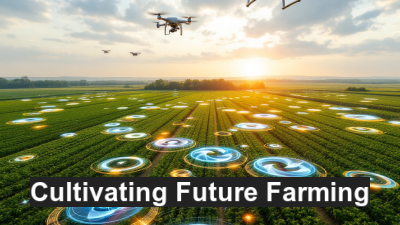
AI Agents in Agriculture: Cultivating the Future of Farming
Introduction to AI in Agriculture
Modern agriculture is at the brink of a technological revolution as AI agents reshape the landscape of farming practices. Driven by the immense need for increased productivity and sustainability, AI in agriculture harnesses the power of data analytics, machine learning, and automation to transform traditional practices into data-driven processes. From monitoring crop health to predicting yields and optimizing resource usage, AI technologies are equipping farmers with tools that pave the way for a more efficient and environmentally friendly future. In leveraging AI, farmers are not only addressing immediate challenges such as pest infestations and resource shortages but also planning strategically to meet the growing global food demand.
Precision Farming: Enhancing Resource Efficiency
One of the most significant breakthroughs provided by AI in agriculture is precision farming, which focuses on the efficient, targeted use of inputs such as water, fertilizers, and pesticides. AI-driven systems now enable farmers to apply these inputs only where and when they are needed, drastically reducing waste and environmental impact. For example, AI-controlled irrigation systems can analyze soil moisture levels and forecast weather conditions to lower water consumption by up to 30%. Similarly, AI-powered soil sensors facilitate a reduction in fertilizer usage by 30%, thereby boosting both productivity and sustainability. These improvements are crucial in an era where sustainable agriculture is paramount. Detailed insights on sustainable methods can be explored in this Sustainable agriculture article, while further statistics on resource efficiency are available via AI in the Ag Industry Statistics.
Smart Crop Monitoring and Disease Detection
In another critical area, AI is revolutionizing crop monitoring and disease detection. The amalgamation of drone technology, advanced satellite imagery, and sophisticated machine learning algorithms allows for continuous observation of crop conditions. Real-time imagery and sensor data facilitate early identification of issues such as pest infestations, disease outbreaks, and nutrient deficiencies. For instance, advanced pest detection systems powered by AI have been adopted by over half of global commercial farms, leading to a noticeable 19% reduction in crop loss. This proactive approach not only helps secure the current harvest but also contributes to long-term crop health management. More detailed statistics and trends in this field are discussed in the research presented by AI in Agriculture: Statistics and Industry Impact.
Yield Prediction and Data-Driven Decision Making
Predicting crop yield accurately remains one of the toughest challenges in agriculture; however, AI models are making significant strides in this arena. By processing historical yield data, real-time weather patterns, and current crop conditions, AI systems offer remarkably accurate yield predictions. This advanced forecasting helps farmers better plan harvest schedules, manage supply chains, and allocate resources efficiently. In anticipation of future demands—where predictions estimate that by 2050, AI-enabled technologies could increase crop yields by as much as 70% globally—these tools are becoming indispensable in modern farming operations. Such projections and supportive evidence are elaborated by research on agricultural AI, as seen in the detailed insights offered by AI in the Ag Industry Statistics.
Case Studies: Success Stories from the Field
Across the globe, numerous success stories serve as compelling evidence of AI’s transformative impact. In regions plagued by water shortages, AI-driven irrigation and moisture sensing systems have led to substantial water conservation, allowing farmers to maintain crop health while safeguarding essential resources. Similarly, farms that have incorporated AI-based pest detection and control systems report significantly lower rates of crop loss and enhanced overall yield. These real-world examples demonstrate that AI technology not only optimizes operational efficiency but also provides a competitive edge in the highly unpredictable agricultural environment. The documented cases of enhanced precision farming and improved yield predictions have been shared widely in industry reports, inspiring a new generation of farmers to integrate AI into their practices.
The Future: AI and Sustainability in Farming
Looking ahead, the fusion of AI and sustainability is set to redefine the agri-food sector. The environmental benefits extend beyond resource optimization; AI applications in agriculture have the potential to drastically reduce pesticide usage—by as much as 90% in some models—thereby minimizing harmful chemical runoff and protecting local ecosystems. Furthermore, AI-driven agricultural methods could play a key role in reducing greenhouse gas emissions by up to 50%, contributing significantly to global efforts against climate change. This dual focus on agricultural profitability and environmental responsibility is positioning AI as a cornerstone technology in the mission to create a more sustainable and resilient food system for future generations. For further reading on these environmental benefits, additional research can be found through resources like AI in the Ag Industry Statistics.
Conclusion: Embracing Technology for Agricultural Advancements
The integration of AI agents into agriculture signals a paradigm shift in how farming is approached—from field management and resource allocation to crop monitoring and yield prediction. By embracing these technologies, farmers can unlock unprecedented levels of efficiency, productivity, and environmental stewardship. The promising results observed with precision farming, smart monitoring systems, and advanced predictive models strongly indicate that the future of agriculture lies in informed, data-driven decision making. As AI continues to evolve, it will undoubtedly redefine traditional practices, forge new partnerships between technology and nature, and ultimately cultivate a more sustainable and bountiful future for the global agricultural community.
The advances discussed here underline a crucial message for farmers and stakeholders alike: adopting AI is not just a strategic move; it is a necessary step toward a resilient and innovative agricultural system that can address both current challenges and future demands. Embracing this technology today will ensure a healthier, more sustainable, and productive landscape for generations to come.